
About Us
YALAP Started Where It Was Needed Most
In 2024, a group of young climate leaders from Sudan, Afghanistan, Syria, and other conflict zones realized they were
fighting the same battles—but alone. They were organizing flood evacuations while governments collapsed. Building
solar power while dodging airstrikes. Negotiating water access during ceasefires. Creating solutions that worked, but
without resources, recognition, or protection.
YALAP formed to change that reality.
- YALAP gives youth and indigenous organizations the tools, protection,
and funding they need to sustain their work. - We ensure that voices from climate-fragile and conflict-affected regions
influence policies at the highest levels. - We amplify grassroots solutions so they grow stronger and inspire
change worldwide.
Our Mission
We believe young leaders in vulnerable places shouldn’t have to choose between survival and solutions. Our mission is
simple: connect them, protect them, and amplify their voices until systems change.

How We Create Change:
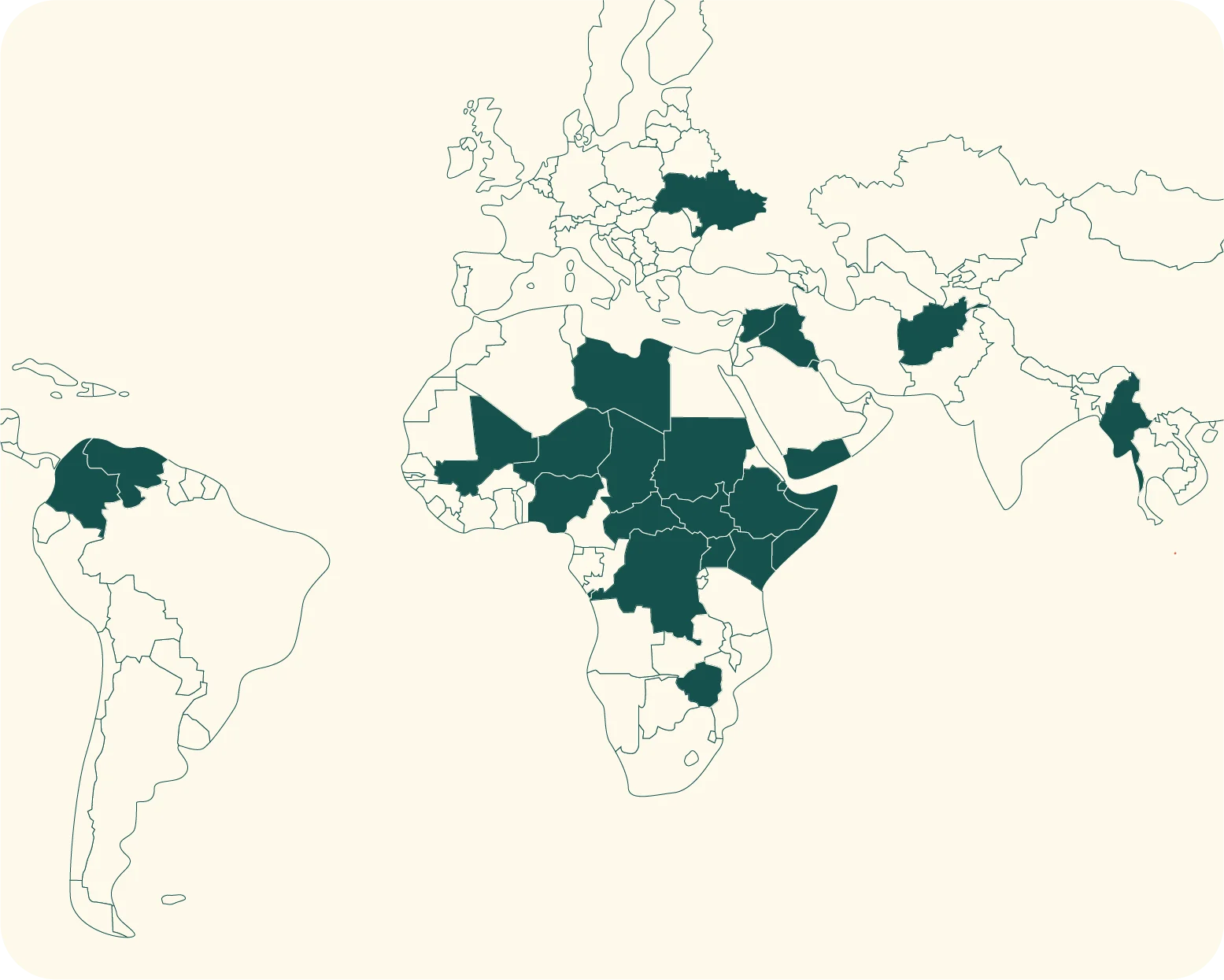
Link youth leaders across 27 countries through secure digital platforms.
Provide legal support, digital security, and emergency response for activists at risk.
Ensure frontline voices shape global climate and peace policies.
Direct funding and tools to organizations traditional systems overlook.
Advisors
Dr. Shaddad Mauwia
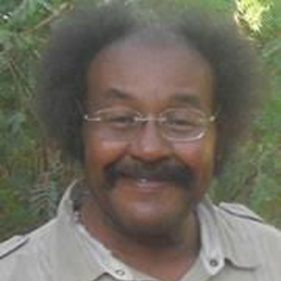
is a civil society activist who has led numerous CSOs in Sudan, including the Sudanese Environment Conservation Society (SECS), one of Africa’s largest NGOs. He currently chairs the Nile Basin Discourse (NBD), a network of 625 CSOs across 11 Nile Basin countries, and serves as President of HoAREN, a coalition of universities and NGOs in the Horn of Africa. He co-founded PACJA and holds leadership roles on its advisory council and executive board. Additionally, he is an accomplished astronomer and a faculty member in the Physics Department at the University of Khartoum.
Naila Kabeer
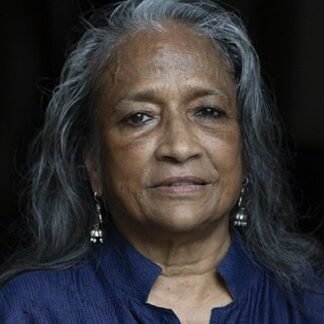
is a Professor of Gender and Development at LSE, specializing in gender, poverty, labor markets, and social protection. She has published extensively, including Reversed Realities (1994) and Renegotiating Patriarchy (2024). She has held leadership roles in academic journals and feminist organizations. Her advisory work includes collaborations with Oxfam, UNRISD, and DFID. She currently leads the Gender Justice and Wellbeing Economy research program at LSE’s International Inequalities Institute.
Tim Epple
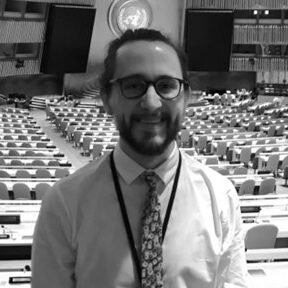
is PeaceRep’s Managing Director, overseeing research delivery, peace process support, and consortium governance. Tim aims to use his research and practical experience to contribute to the settlement of armed conflicts. His research interests include mediation, local peacemaking, and the relationship between the climate crisis and peacemaking. Prior to PeaceRep, Tim worked with the United Nations at headquarters and field levels, the University of Oxford’s Centre for Socio-Legal Studies, and the private sector. Tim holds a MSc (Distinction) in African Studies from the University of Oxford and is a Steering Committee member of the Oxford Network of Peace Studies.
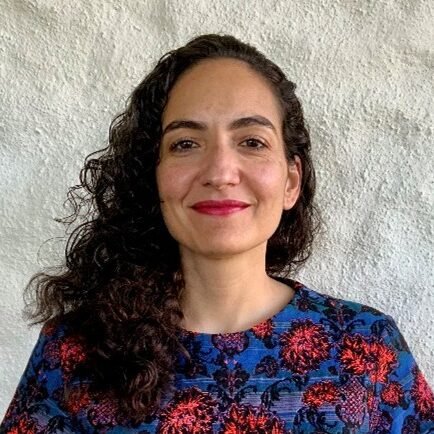
Julia Choucair Vizoso
is a Senior Non-Resident Fellow at the Arab Reform Initiative where she co-founded the Environmental Politics Program and currently works on food sovereignty and environmental mobilization in Southwest Asia and North Africa. She is also an Adjunct Professor of International Relations at IE University in Madrid. She earned her PhD in Political Science from Yale University and holds both an M.A. in Arab Studies and a B.S. in Foreign Service from Georgetown University. Her previous roles include Vice-Chair of the Center for Middle Eastern Studies at the University of California, Berkeley (2016–2019), Fellow at Stanford University (2014–2016), and Associate at the Carnegie Endowment for International Peace in Washington, D.C., where she also served as Editor-in-Chief of the bilingual monthly Sada.
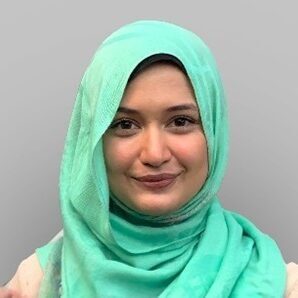
Tasnia Khandaker Prova
is an academic researcher and development practitioner from Bangladesh, with notable experience in implementing multi-stakeholder projects and exploring fragile contexts through participatory research. Currently based in Toronto, Canada as an independent consultant, Tasnia remains passionate about uplifting the voices of those disproportionately affected by climate adversities, poverty and systemic ‘othering’, using non-extractive, ethical and empowering methods. As the former Climate Research Lead at the Centre for Peace and Justice, BRAC University, she led an exploration of the intersection of climate change, security and peace as it manifests in the south-west borderlands of Bangladesh. In the absence of military warfare, her research hoped to dissect multi-pronged violence as a threat to sustained peace in contested and climate-vulnerable regions. Tasnia’s research interests also include human mobility and displacement, complex conflict and responsive planning, multispecies geographies and post-humanist ecocentrism. She is a Commonwealth Shared Scholar with an MSc in International Development Practice from the University of St Andrews, UK. She has contributed to authoring research reports, policy papers, journal articles and book chapters, and her notable work includes a book chapter titled “The trapped elephant in the humanitarian’s room” that urges for the rethinking of emergency planning and advocates for greater partnership between conservation and humanitarian actors amid a protracted refugee crisis, an article on adopting community-based methods to work alongside Rohingya refugees in the Journal of Migration and Human Security, and multiple XCEPT research reports on compounded precarity facing different Bangladeshi borderlands.

Youmen Naddour
is a Syrian activist with a Bachelor's degree in French Literature. One of the founders and the Executive Director of NoPhotoZone, a non-governmental organization registered in France and Turkey that provides legal support and assistance to former detainees and their families, as well as the families of those forcibly disappeared. Graduated from the Faculty of Arts and Humanities at Damascus University with a degree in French Literature and holds a diploma in French proficiency (B2). She began working in civil society institutions in 2014 as a program implementation assistant at Alpha Association – Lebanon (Lebanese Association for Human Promotion and Literacy), focusing on various sectors including health, education, child protection, women’s empowerment, and human rights. Her engagement in environmental and climate change initiatives commenced in 2020 through involvement in a United Nations Environment Program (UNEP)-funded project. This effort assessed Syria’s environmental needs and contributed to the development of laws and regulations aimed at facilitating gas replacement. Furthermore, she played a role in designing and delivering training programs for stakeholders and institutions in the refrigeration and air conditioning sectors to ensure alignment with industry advancements and transition processes. She speak Arabic as my native language, in addition to French, English, and Italian. She has received multiple training sessions in child protection, international humanitarian law, Project Management, Training of Trainer and communication skills while also teach French to non-native speakers.
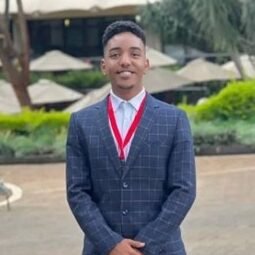
Mohammed Fathelrahman Adam
A Sudanese pharmacist, climate activist, and humanitarian leader, Mohammed has over five years of experience working at the intersection of climate resilience, conflict response, and youth engagement. He has led the design and implementation of multi-sectoral programs across Sudan and the MENA region, overseeing budgets ranging from $2–5 million USD. He is a published researcher with 15 papers in Q1 and Q2 journals, and an alumnus of the African UN Youth Delegates Program and the Young Leadership Development Program. Mohammed has represented youth in global forums including UNEP, UNFCCC, and the African Union - and is deeply committed to advancing locally led solutions and building systems of care and resilience in the world’s most fragile contexts.
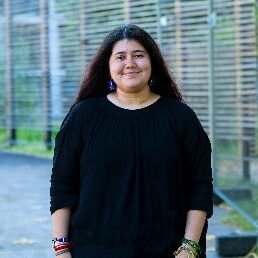
Xiomara Acevedo Navarro
is a professional in International Relations, MPhil in Conservation Leadership, specialist in climate change, cities, and leadership and Mphil in Conservation Leadership. In 2012, Xiomara founded the non-governmental organization (NGO) Barranquilla + 20, a youth and women-led organization dedicated to the education and leadership of children, youth, and women in climate justice, biodiversity, water, and gender in Colombia and Latin America. This impactful organization has positively influenced the lives of over 40,000 individuals and garnered recognition from global entities such as the Intercultural Innovation Hub, One Young World, Youth Sustainable Solutions Network, Gender Just Feminist Solutions, among others.